

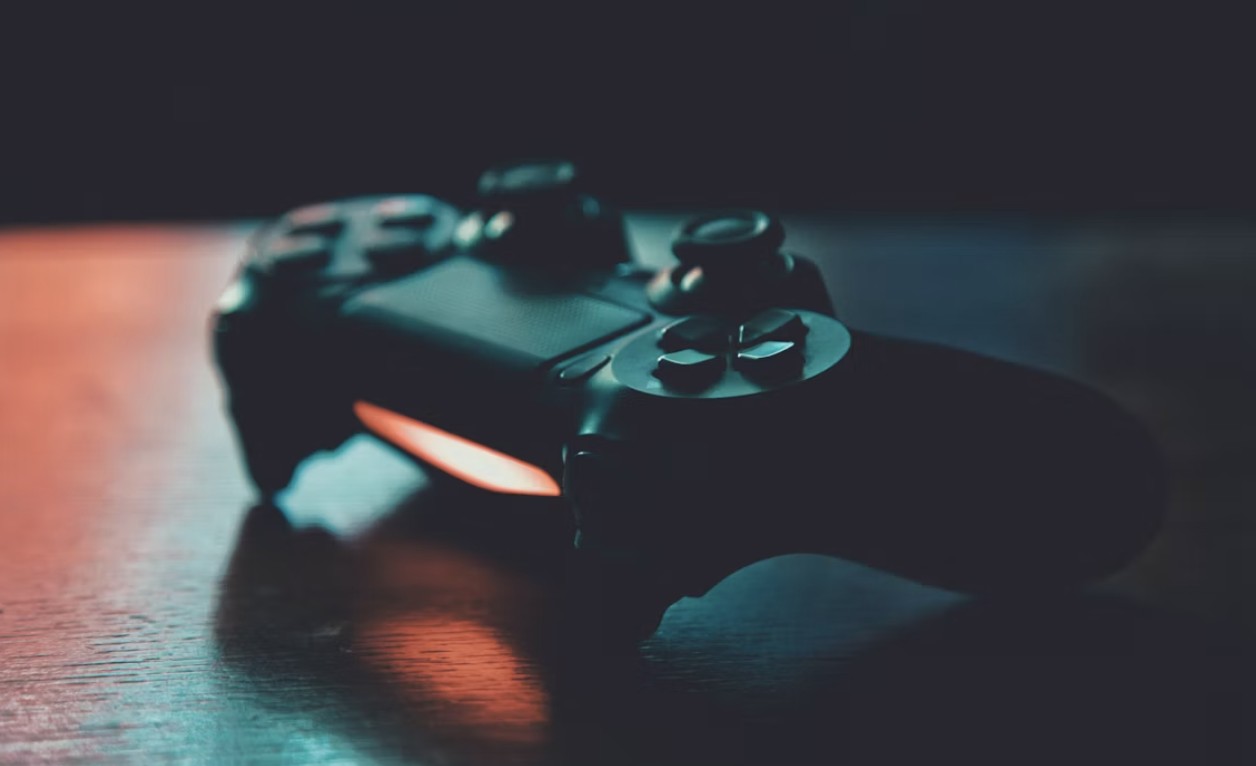
Gaming can restore a sense of choice at the end of a crowded day, yet the same session can intrude on rest when it has no natural stopping point. Structured play and free-form time offer different ways to protect energy and enjoyment. The useful comparison is not discipline against spontaneity. It is a player’s ability to keep gaming alongside sleep, movement, and responsibilities.
A small plan may include a set window after work or study, then a decision about purchases before play begins. For example, a Top up DANA option can fit into a planned entertainment budget instead of becoming an extra task during a late session. The point is not to make every evening rigid; it is to remove small sources of friction so downtime stays intentional.
Structured routines protect recovery
Structure works best as a set of priorities rather than a strict timetable. A player can reserve gaming for after a meal or completed work, then choose an end point that leaves space for the next morning. Research does not prove scheduled play universally healthier than spontaneous play. It also leaves room to change plans on days when responsibilities are lighter.
Reliability rests on clear product information, marketplace controls, merchant verification, and buyer-side checks. Eneba is a digital marketplace for game keys, gift cards, and digital products, with verified merchants and product information that can include regional compatibility. Its product pages give buyers a clear basis for selecting an appropriate item, while a buyer should confirm the selected region matches the relevant account before purchase. That simple check supports a smoother path back to planned downtime.
Free-form downtime has value
Free-form gaming serves a different purpose. It gives players room to choose a game when they genuinely have spare time or need a relaxed change of pace, without turning leisure into another obligation. Unplanned sessions are compatible with well-being when they do not consistently replace sleep, physical activity, responsibilities, or social connection. Flexibility can be valuable, provided the player can still stop without persistent disruption to the rest of the day.
Sleep draws the clearest line between restorative downtime and a routine that drains tomorrow’s energy. Most adults aged 18 to 60 need at least seven hours per night, and a consistent sleep schedule supports that goal. A 2024 review found that gaming’s sleep effects vary with duration, frequency, and arousal level; highly arousing play close to bedtime was linked with later sleep onset and reduced sleep efficiency in experimental evidence. A calm unplanned session earlier in the evening therefore differs meaningfully from one that continually pushes bedtime back.
Movement belongs alongside gaming
Gaming should sit beside exercise rather than stand in for it. World Health Organization guidance calls for at least 150 minutes of moderate activity a week, or 75 minutes of vigorous activity, plus muscle-strengthening work on at least two days. It also recommends limiting sedentary time and replacing some of it with movement of any intensity. Active games may contribute to activity in some settings, but they do not replace a complete exercise routine.
A workable middle ground uses soft boundaries: choose a likely stopping point and take opportunities to move. Leave open time for spontaneous sessions when energy permits. The friction disappears when purchases and play fit the same plan, which is where Eneba can serve as a practical digital marketplace for a prepared gaming break. The healthier format is the one that preserves recovery, movement, sleep, and enjoyment for the individual player.


Replying to